
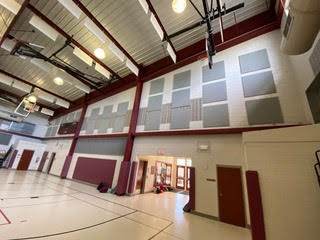
A gymnasium is built for action, energy, and sound. From basketball games to assemblies, noise fills the space in seconds. However, the same hard surfaces that make a gym durable also make it acoustically challenging. Sound waves bounce off floors, walls, and ceilings, creating echo and distortion.
Installing gymnasium sound panels, or gym sound panels, transforms that chaos into clear, controlled sound. These sound panels for gymnasium use modern acoustic science to help every word, whistle, and announcement be heard distinctly.
Understanding Gym Acoustics
Sound behaves differently in large, open spaces. In a gymnasium, high ceilings and reflective surfaces amplify sound instead of containing it. This produces reverberation, a lingering sound that makes speech unclear. Reverb occurs when waves reflect off parallel surfaces and overlap. Echo, on the other hand, is a delayed reflection that repeats a sound. Both combine to create muddiness, especially when microphones or loudspeakers are in use.
Athletic events, school assemblies, and fitness classes all depend on clear sound. When voices are lost in echo, messages become hard to follow, reducing engagement and safety. The goal of sound control is not to eliminate noise but to shape it.
Sound Control vs. Soundproofing
Many people use these terms interchangeably, but they serve different purposes. Soundproofing blocks noise from leaving or entering a space. It involves barriers that prevent sound transmission between rooms or structures. Sound control, on the other hand, improves how sound behaves within a space. In gyms, this means absorbing reflections and reducing reverberation.
Soundproofing keeps outside noise out, but sound control makes the space inside sound better. For gymnasiums, focusing on sound control creates a comfortable acoustic environment without altering the structure.
Why Gymnasiums Need Sound Panels
The average gymnasium features concrete walls, steel beams, and wooden floors. These surfaces are excellent for sports but poor for acoustics. Every bounce, cheer, or announcement reflects repeatedly, turning speech into a blur. Gym sound panels act like cushions for sound. They absorb energy from sound waves before they can reflect again.
By reducing reflections, gymnasium sound panels lower reverberation time, also known as RT60. This measurement refers to how long sound persists after the source stops. A gym with a high RT60 may sound loud and confusing, while a gym with balanced RT60 feels clear and controlled.
The ideal reverb time for speech is around one to one-and-a-half seconds. Achieving this range improves communication and reduces listener fatigue.
How Sound Panels Work
Sound panels are made of materials that absorb rather than reflect sound waves. These materials capture vibrations and convert them into small amounts of heat energy. When placed strategically across walls and ceilings, they control how sound moves through the space.
The effectiveness of sound panels depends on placement and balance. Even coverage prevents sound from bouncing between hard, parallel surfaces. Wall and ceiling panels can be combined for best results. Learn more about wall and ceiling panels designed for commercial and industrial applications.
In gyms, panels must also handle physical impacts. Durable surfaces, like ripstop or vinyl-faced materials, resist damage from balls or equipment while maintaining acoustic performance.
Types of Gym Sound Panels
Every gym layout is unique, and so are its sound control needs. Ceiling baffles and acoustic banners are ideal for large areas with tall ceilings. These panels hang vertically or horizontally, absorbing sound from multiple directions. Wall-mounted panels complement ceiling treatments by addressing mid-level reflections.
Improving Speech Intelligibility
One of the main goals of installing sound panels for gymnasium use is to improve speech intelligibility. This refers to how easily a listener can understand spoken words. Even with powerful sound systems, speech clarity drops in reverberant environments.
Adding gym sound panels reduces overlapping reflections that blur speech. As a result, announcements, instructions, and safety warnings become easier to hear. Teachers, coaches, and event organizers no longer need to shout to be understood.
Designing for Both Function and Style
Modern acoustic design does not have to sacrifice appearance. Gymnasium sound panels can be customized in color, size, and texture. They can blend with existing architecture or highlight the space with a modern touch. A well-designed acoustic system enhances both performance and aesthetics.
Sound control also contributes to comfort. Reducing echo lowers background noise, making the space more enjoyable for athletes, students, and spectators.
Sound Masking for Gym Environments
In some gyms, background noise from nearby spaces or open-plan facilities can be distracting. A practical approach involves combining panels with gym sound masking systems. Sound masking introduces a subtle, controlled background sound that balances the acoustic environment. This helps maintain privacy and focus, especially in fitness centers and multipurpose halls.
Transform Your Gym’s Acoustics with Sound Management Group
At Sound Management Group, we design and install complete acoustic solutions that fit your space and goals. Our team evaluates your gym’s layout, materials, and usage to recommend the right combination of panels and sound masking systems.
With decades of experience, we craft noise control systems that enhance clarity, safety, and comfort.

