
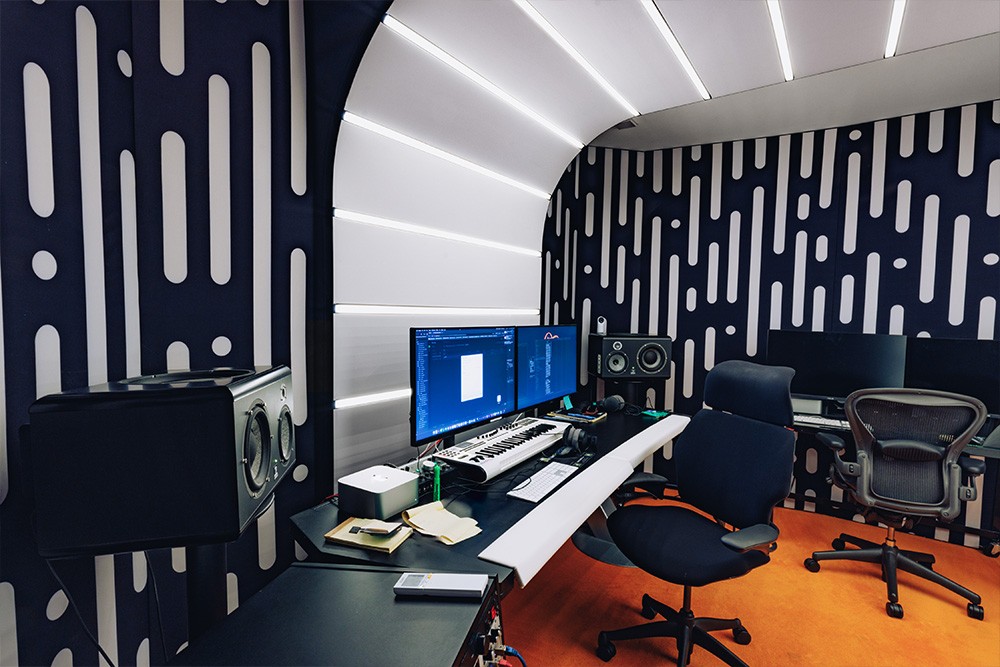
Echo often becomes the hidden obstacle that limits recording quality long before microphones or software fall short. In recording studios, uncontrolled reflections blur speech, muddy music, and disrupt focus. Many searching for how to reduce echo in a room for recording quickly realize that room echo cancellation depends more on the space than the equipment inside it.
Sound behavior follows physics, not preference. Hard surfaces reflect energy, while soft and engineered materials change how sound behaves. Understanding why echo forms and how it reacts to treatment creates a clearer path toward consistent, professional sound.
In studio environments, echo reduction panels play a major role in shaping how sound travels and settles within a room.
Why Echo Happens in Recording Studios
Echo forms when sound waves strike hard, flat surfaces and bounce back into space. Walls, ceilings, floors, and glass surfaces reflect sound instead of slowing it down. In recording studios, these reflections overlap with direct sound. That overlap causes distortion, loss of clarity, and uneven tonal balance.
Large rooms with high ceilings amplify the issue. Small rooms with bare surfaces create tight, rapid reflections that interfere with recordings. Empty studios feel especially problematic because furniture and soft materials no longer absorb energy. Echo grows stronger when sound has nowhere to dissipate.
Room echo cancellation focuses on controlling these reflections before they reach microphones or listeners.
How Echo Impacts Recording Quality
Echo disrupts timing, tone, and balance inside a recording space. Vocals lose definition, instruments overlap, and dialogue becomes harder to shape during editing. Long sessions feel tiring because reflections keep the ear working harder. Unlike steady background noise, echo resists clean removal after capture. Software can soften artifacts, yet it cannot recover detail that never reached the microphone.
The room sets the result before recording begins. Treating reflections at their origin changes how sound settles and decays. Controlled acoustics deliver clearer takes, faster edits, and consistent results across sessions, microphones, and performers. This approach strengthens confidence and workflow overall today.
Understanding Absorption Versus Blocking
Reducing echo relies on absorption rather than blocking. Sound blocking targets noise passing through walls. Echo reduction targets sound reflecting within the room. Both matter, but they serve different goals.
Absorptive materials capture sound energy and reduce reflections. Blocking materials add mass to stop sound from traveling between spaces. A recording studio often requires both, but echo control always begins with absorption.
Engineered acoustic materials transform reflected sound energy into minimal heat, lowering reflection intensity and shortening decay time.
How Echo Reduction Panels Change Sound Behavior
Echo reduction panels work by absorbing mid and high frequency sound waves. These frequencies cause most clarity problems in recordings. When panels sit at reflection points, they prevent sound from bouncing back into microphones.
Panels mounted on walls, ceilings, or suspended as clouds reshape how sound moves. Instead of reflecting repeatedly, sound dissipates quickly. This creates tighter recordings with improved articulation.
Placement matters as much as material. Panels positioned incorrectly leave reflection paths untouched. Professional analysis identifies where sound strikes first and most often.
The Role of Ceiling Treatments in Studios
Ceilings often receive less attention than walls, yet they play a major role in echo. Vertical reflections interfere with microphones and instruments positioned below. Ceiling clouds and baffles interrupt these reflections without lowering the ceiling height.
Suspended treatments absorb sound traveling upward and reduce flutter echo between floor and ceiling. In studios with exposed structure or hard ceilings, ceiling treatments often deliver noticeable improvement quickly.
Why Full Room Coverage Matters
Echo control works best when absorption spreads evenly across the space. Treating one wall helps, but untreated surfaces continue reflecting sound. Balanced coverage creates predictable sound behavior.
Corners require attention because sound energy builds there. Uneven absorption creates tonal imbalance, which affects mixing accuracy. Professional design considers room dimensions, usage patterns, and sound sources before selecting treatment areas.
This approach aligns with broader absorbing sound and reverberation reduction strategies used in performance and production environments.
Temporary Solutions Versus Long Term Results
Some studios rely on temporary treatments such as blankets or movable panels. These methods change sound behavior, but results vary widely. Temporary solutions often lack consistency and durability.
Permanent systems integrate with the room structure and deliver stable performance over time. Studios that record frequently or host multiple users benefit from predictable acoustics rather than shifting setups.
Investing in professionally designed treatment reduces trial and error while protecting recording schedules.
Why Professional Studio Planning Makes a Difference
Every studio presents unique challenges. Room dimensions, ceiling height, construction materials, and intended use all affect sound behavior. Generic solutions overlook these variables.
Professional planning identifies reflection points, frequency issues, and layout constraints. This prevents over treatment or under treatment. Balanced acoustic environments feel controlled without sounding lifeless.
Studios designed with acoustic intent perform consistently across sessions, equipment changes, and recording styles.
Avoiding Common Echo Reduction Mistakes
Many studios focus only on walls and ignore ceilings. Others over treat small rooms, causing dull sound. Some rely on decorative items that reflect rather than absorb sound.
Another common mistake involves treating the echo while ignoring the room isolation. External noise reintroduces problems even after echo reduction. Coordinated planning avoids these setbacks.
Echo reduction works best when absorption, layout, and usage align with clear objectives.
Creating Recording Spaces That Perform Reliably
Studios succeed when sound behaves predictably. Musicians, engineers, and voice professionals depend on rooms that respond consistently. Controlled echo supports creativity and reduces technical distractions.
Well treated spaces shorten setup time, simplify editing, and improve confidence during sessions. These benefits extend beyond recording into monitoring, mixing, and playback accuracy.
How We Approach Studio Echo Control at Sound Management Group
At Sound Management Group, we design recording environments that control echo without sacrificing character. We study how sound interacts with each surface, then tailor solutions to the space. Our team designs and manufactures systems in the United States and installs them nationally with consistent quality. The result focuses on clarity, balance, and long term performance.
To start a conversation about your recording studio goals, contact us to speak with our team.

