
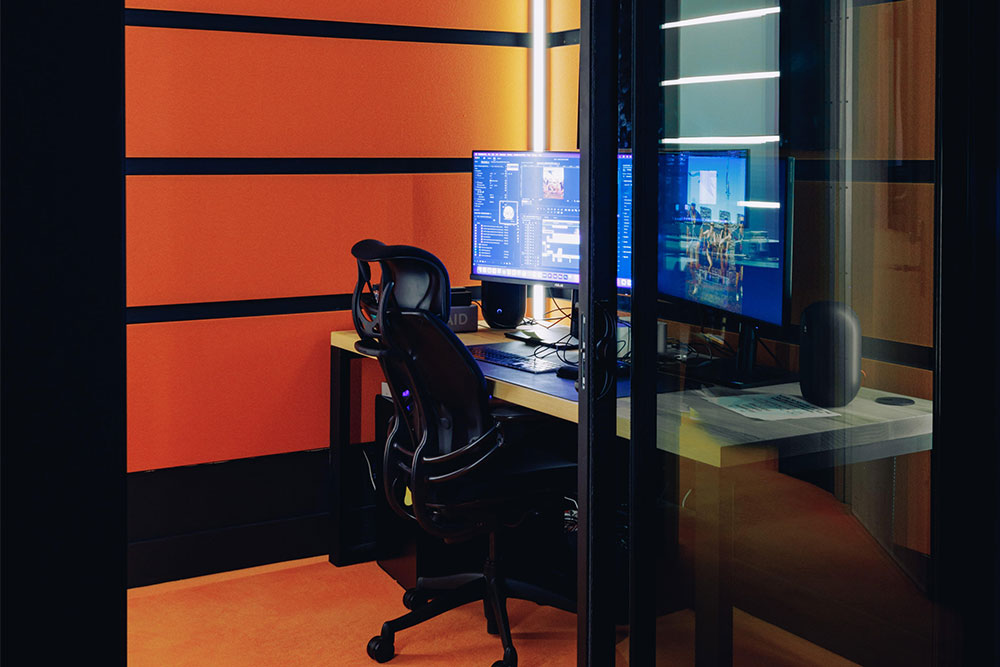
When setting up a music studio, sound treatment plays a vital role in achieving optimal acoustics. Bass traps vs. acoustic panels are both key parts of any studio design, but they perform distinct tasks. To get the best sound quality, knowing the difference between the two is important.
Acoustic panels work to reduce reverberation and echo. Bass traps focus on absorbing low-frequency buildup. This distinction directly affects clarity and accuracy in your recordings. Learning the specific strengths of each treatment helps you decide what fits your studio best.
Sound Problems in a Studio
Reverberation and Echoes
Reverberation occurs when sound waves continue bouncing around the room. This creates echoes that muddy audio clarity. In a studio, this disrupts accurate sound reproduction. It becomes difficult to mix or record clean tracks. Adding acoustic panels reduces lingering reflections. This improves overall clarity and gives the music a natural, polished feel.
Standing Waves
Standing waves happen when sound reflects off parallel surfaces and interferes with itself. This interference forms areas of high and low pressure, affecting how sound is heard across the room.
Certain frequencies can sound either too loud or too soft, depending on the location. These waves distort recordings and make it difficult to judge tonal balance accurately. Bass traps are highly effective at managing standing waves because they absorb low-frequency reflections.
Bass Buildup
Low frequencies, particularly bass, pose a unique challenge in untreated rooms. Their long wavelengths cause them to collect in corners and along walls. This results in uneven sound distribution and a “boomy” effect.
Bass traps are specifically designed to absorb these low frequencies. They reduce buildup and help maintain accurate, controlled sound. Understanding the difference between bass traps vs. acoustic panels is crucial here, as each addresses a distinct frequency range.
What Are Acoustic Panels?
How They Work
Panels transform sound energy into heat as waves pass through the porous material. This reduces the amount of sound reflecting back into the room. The panel’s thickness and material type determine which frequencies it absorbs most effectively. Correct placement results in a more controlled sound environment.
Best Placement for Acoustic Panels
Panels perform best at first reflection points on walls and ceilings. These are the locations where sound from monitors hits surfaces before reaching your ears. Placing panels in these areas stops early reflections from warping your perception of sound. This produces more accurate mixing and recording conditions.
What Are Bass Traps?
Bass traps are designed to absorb low-frequency sound. They are generally thicker and denser than acoustic panels. Many bass traps fill room corners completely.
How They Work
Bass traps operate in a few ways:
- Porous Absorbers:These are similar to acoustic panels but much thicker; they absorb more low-end energy.
- Resonators:Tuned bass traps use a resonant chamber or membrane to absorb specific low frequencies, giving targeted absorption for troublesome bass tones.
Best Placement for Bass Traps
Bass traps work best when placed in corners of a room (both wall-to-wall and wall-to-ceiling corners), where low-frequency sound waves typically gather and collect. This placement helps reduce bass buildup and standing waves, creating a more accurate low-end response in your mixes.
Main Differences Between Bass Traps and Acoustic Panels
- Frequency Range:Bass traps absorb low frequencies, while acoustic panels handle mid to high ranges.
- Size and Thickness:Bass traps are thicker and denser, designed to fill corners. Acoustic panels are thinner and lighter, suitable for walls and ceilings.
- Placement:Bass traps sit in corners to capture low-frequency energy. Acoustic panels go on the first reflection points to control echoes and reverberation.
- Purpose:Bass traps reduce bass buildup and standing waves. Acoustic panels reduce reverberation and flutter echoes. Both treatments are essential for accurate sound reproduction in a studio.
Why You Need Both in Your Music Studio
The Role of Bass Traps
Bass traps form the foundation for balanced sound in a studio by controlling the most challenging low frequencies. Without effective bass trapping, mixes can develop an inaccurate low-end, which often causes tracks to sound uneven on other playback systems.
Controlling these low frequencies keeps the room from becoming muddy, giving a more accurate representation of the sound.
The Role of Acoustic Panels
Once the low end is partially managed, acoustic panels address mid and high frequencies. They reduce flutter echoes and lingering reflections, producing a cleaner and more detailed soundstage. This allows you to hear each element of the mix clearly. Proper use of panels helps balance every frequency and reveals subtle details that might otherwise go unnoticed.
The Ideal Acoustic Treatment Strategy
Start with Bass Traps
Focus on low-frequency issues first. Place bass traps in all room corners where bass tends to build up. Target the most problematic areas initially to control standing waves and prevent uneven low-end response before moving on to other treatments.
Add Acoustic Panels
Locate first reflection points on walls and ceilings and install panels in these spots. This reduces early reflections and improves mid-to-high frequency clarity. Panels help create a more precise listening environment, supporting accurate mixing and recording decisions.
Experiment and Listen
Acoustic treatment is not a one-size-fits-all solution. Use reference tracks and critical listening to adjust placement and quantity of both bass traps and panels. Fine-tuning allows the room to achieve a more balanced, natural, and controlled sound.
Consider Diffusion
For larger rooms, diffusers can also be used to scatter sound waves and generate a more spacious sound. Diffusion helps prevent overly dry or overly reflective spaces, resulting in a more natural sound environment.
Management Group – Your Commercial Soundproofing Experts in Hillsborough, NJ
Sound Management Group delivers custom-designed acoustic solutions that mask unwanted noise, improve speech privacy and clarity, and make aesthetic spaces better through expert consultation, fabrication, and full turnkey installation.
As commercial soundproofing experts in Hillsborough, NJ, we know that every space has specific acoustic needs. Our team offers a wide selection of products, including soundproof wall panels for studios, to make optimal environments for your business. For sound masking systems or custom acoustic treatments, we deliver fully integrated solutions tailored to your requirements.
With 42 years of experience, our national installation capabilities, and custom manufacturing, we offer a comprehensive service, from design to installation.
Contact us today to discuss your commercial soundproofing needs and learn how we can improve your space.

