
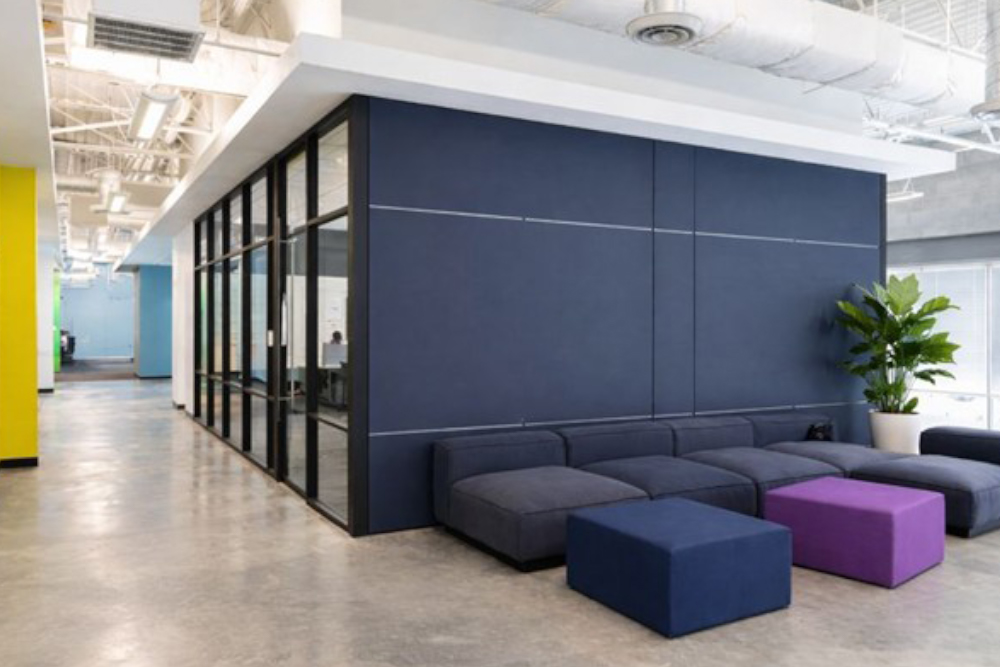
Spaces rarely behave the way floor plans suggest. A conference room becomes a training space, then turns into a client presentation area, and then hosts a town hall before the week ends. Restaurants rearrange seating for private events. Retail environments refresh layouts to match new campaigns. Static walls struggle to keep pace with how people actually use space.
That reality has pushed designers and operators toward solutions that adapt. Custom modular wall panels allow rooms to change function, shape, and flow while still feeling deliberate and finished. Panels can be assembled quickly, moved easily, and returned to service without the disruption associated with traditional construction.
At Sound Management Group, we design modular environments with that real-world flexibility in mind. The goal is to build systems that respond to how spaces change, sound, and perform over time.
Modular Wall Panels and the Way Spaces Adapt
Modular walls use prefabricated panels that connect to form finished structures, allowing rooms to gain definition without committing to permanent construction. Panels assemble quickly, come apart cleanly, and return to service in new layouts with minimal disruption. That approach works well in environments where downtime carries real cost.
Rather than building once and living with the result, spaces can adjust layouts as needs change. A pop-up retail activation becomes a branded backdrop. A conference room becomes a breakout zone. A dining area can be reconfigured to accommodate private groups. All of it happens without demolition or long construction timelines.
What Makes Modular Construction Different
Traditional walls involve framing, drywall, finishing, and cure times that stretch schedules. Modular systems arrive finished and ready to install. Panels connect with precision, keeping visual lines clean and avoiding the cluttered look that often follows temporary partitions.
Key characteristics define this construction style:
- Prefabricated panels built for repeated use
- Flexible dimensions and finishes
- Fast installation and removal
- Clean edges with minimal visible hardware
That combination allows designers and operators to plan for change rather than react to it later.
Why Modular Panel Systems Fit Modern Interiors
Modular panel systems work because they address operational needs instead of chasing trends. Speed remains one of the most significant advantages. Installations are completed in hours or days rather than weeks, which keeps businesses open and productive.
Cost efficiency also improves over time. Reusable panels replace repeated buildouts, and storage-friendly designs make transportation manageable for multi-location brands. The ability to redeploy materials across sites keeps investments working longer.
Acoustic performance is equally important. Modular walls integrate absorptive materials directly into the panel design, reducing echoes and controlling sound spread.
Designing with a Modular Wall Panel System
A modular wall panel system performs best when sound and structure receive equal attention. Ceiling height, occupancy, surface materials, and room purpose all influence how sound behaves. Panels designed without those factors in mind risk solving one problem while creating another.
Our design process accounts for those variables early. Panel thickness, core materials, and surface finishes align with how the space functions rather than working against it. Walls divide areas while absorbing excess sound, keeping conversations comfortable, and reducing listener fatigue.
Visual design integrates naturally into that structure. Digital prints, textures, and brand elements apply directly to panel faces. Updates occur without rebuilding the system, keeping spaces current without waste.
Acoustic Control Without Visual Clutter
Sound treatment is often an afterthought, added only after a space feels too loud. Modular walls reverse that pattern by building acoustic control into the original layout. Absorptive materials are located behind finished surfaces, preserving a clean appearance.
Solutions such as custom acoustic panels combine artwork and sound absorption in a single element. Walls become functional design features rather than visual compromises, which works especially well in hospitality, offices, and branded environments.
Materials that Handle Real Use
Adaptable spaces place higher demands on materials. Panels travel, assemble, and disassemble, repeating the cycle across locations. Durability matters as much as appearance.
Many modular systems rely on lightweight cores and reinforced frames that balance strength with portability. Fire resistance, moisture tolerance, and indoor air quality also factor into material selection, particularly in healthcare, education, and commercial settings.
Magnesium-based boards are often used in modular construction because they resist fire, limit smoke production, and present solid acoustic performance. Those qualities make them suitable for busy interiors that need reliability alongside flexibility.
Where Modular Walls Make the Most Sense
Modular walls are used across a wide range of applications, with the same goal in mind. Spaces need structure without rigidity.
Everyday use cases include:
- Tradeshow booths and mobile exhibits
- Pop-up retail and seasonal rollouts
- Corporate offices and collaboration areas
- Hospitality venues and private dining zones
- Educational and healthcare facilities
- Event stages and branded backdrops
The same system adapts across all those settings, underscoring its versatility. Panels define space, manage sound, and carry branding without locking rooms into a single purpose.
Planning for Change Instead of Reacting to It
Design strategies often focus on solving today’s layout challenges. Modular systems add value by preparing for tomorrow’s changes. Spaces can grow, contract, or reorganize without starting over.
That flexibility helps organizations respond to growth, new programming, or shifting operational needs with less friction. Layout decisions are less permanent, encouraging experimentation and creative use of space.
Installation, Compliance, and National Reach
Projects move faster when design, manufacturing, and installation stay aligned. Turnkey delivery keeps accountability clear and timelines predictable. Surveys, design modeling, custom fabrication, delivery, and installation remain coordinated rather than fragmented across vendors.
Licensing and industry affiliations also matter. Compliance with regional requirements and alignment with organizations such as IFMA, BOMA, and Avetta provide confidence for large-scale projects and multi-site rollouts.
National installation capabilities extend that consistency across locations, helping brands maintain uniform design standards without reinventing solutions for each site.
Flexible Design that Still Feels Intentional
Adaptable rooms still need to feel purposeful. Modular walls achieve that balance by combining architectural presence with practical performance. Clean lines, finished surfaces, and integrated acoustics allow spaces to function well while still looking designed rather than temporary.
Rooms stay comfortable, sound levels remain manageable, and visual identity stays intact even as layouts change. That combination explains why modular construction continues to expand across industries.
Designing for What Comes Next
Rooms change because businesses change. Modular wall systems make those transitions easier without sacrificing acoustic comfort or visual quality. The ability to adapt layouts, refresh branding, and manage audio within a single system keeps spaces more relevant for longer.
At Sound Management Group, we design modular solutions that integrate acoustics, customization, and real-world use. If a flexible design feels like the missing piece in your space, explore what modular solutions can do next by connecting with our team today.

