
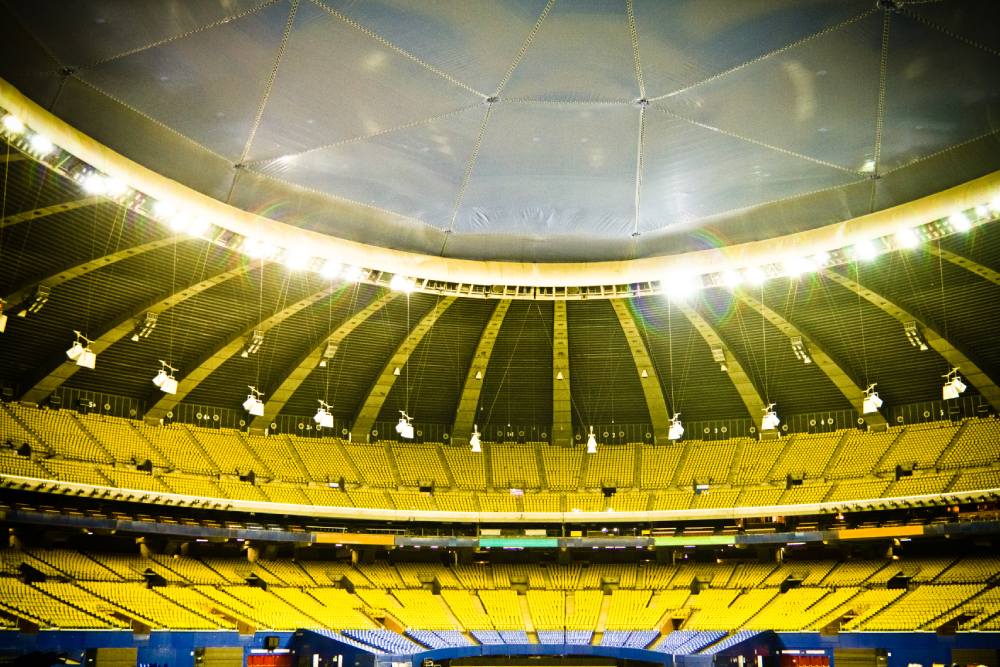
Optimizing stadium acoustics is fundamental to delivering clear announcements, powerful music, and an engaging fan experience. Distortion, delay, or uneven sound coverage across seating sections can quickly shift the atmosphere from energetic to frustrating.
Large venue operators often pursue professional acoustical design and consultation after recurring complaints about intelligibility or excessive echo. Event organizers may also look into sound masking products to manage operational noise in adjacent hospitality suites or media areas.
Ownership groups ultimately look for trustworthy, sound management solutions that support crowd energy without sacrificing clarity or compliance.
Stadium environments differ significantly from smaller performance venues. Open-air construction, partial roofing systems, expansive seating bowls, and exposed concrete surfaces create complicated reflection patterns. Weather, crowd density, and architectural geometry further influence how sound travels.
Why Stadium Sound Behavior Is So Challenging
Sound behaves unpredictably in large-scale venues. Announcements projected from one end of the field must reach the upper tiers without losing definition. Reflections from structural overhangs can arrive milliseconds later, creating an audible delay. In enclosed or domed facilities, reverberation may build to levels that blur speech.
Public address systems are frequently upgraded to increase power. Higher output alone rarely corrects distortion caused by reflection and structural bounce. Amplification strengthens volume, not clarity. When architecture produces interference, architectural intervention becomes necessary.
Environmental noise presents another layer of complexity. Exterior traffic, nearby entertainment districts, and mechanical systems introduce background sound. During concerts or playoff games, the crowd roar itself alters acoustic conditions. Designing for fluctuating occupancy is a major part of performance planning.
Distinguishing Between Control and Isolation
Efforts to enhance stadium acoustics typically focus on internal sound control and external noise isolation. Internal control addresses reflection within the seating bowl, concourses, and hospitality areas. Isolation limits sound transmission from outside sources or adjacent spaces.
Absorptive systems placed along targeted structural surfaces reduce reflection intensity. Covered stadiums may benefit from ceiling and overhang treatments that moderate reverberation. Enclosed facilities often require wall-mounted treatments installed at calculated intervals to balance energy distribution.
Isolation strategies may include reinforcing partitions between media rooms, executive suites, and event spaces. Specialized glazing systems can reduce intrusion from exterior environments. These upgrades demand collaboration with structural engineers and facility management teams.
The Importance of Data-Driven Planning
Each stadium presents unique geometry, materials, and programming demands. Accurate measurement forms the foundation for meaningful improvement. Acoustic modeling evaluates reverberation time, delay patterns, and sound pressure levels throughout seating sections.
Placement decisions based on assumptions often lead to inconsistent results. Quantitative analysis identifies reflection sources and clarifies how they influence audience perception. A structured, data-driven process prevents overcorrection in one area while neglecting another.
Broadcast requirements must also be considered. Media crews depend on controlled acoustic conditions for commentary and production. Sound clarity affects both in-person spectators and remote audiences.
Enhancing Speech Intelligibility Across Seating Zones
Clear communication during sporting events is non-negotiable. Emergency announcements, sponsorship reads, and game commentary must reach every corner of the facility. Poor intelligibility undermines both safety and revenue objectives.
Strategically positioned absorptive treatments reduce echo buildup that blurs consonants. Distributed loudspeaker placement should complement architectural corrections. Coordinated design prevents the system from competing with the room.
In premium seating areas and conference rooms within the stadium complex, acoustic refinement becomes even more noticeable. Corporate guests expect a polished environment. Controlling reflection in enclosed suites protects brand reputation.
Multi-Use Event Demands
Modern stadiums host more than athletic competitions. Concert tours, corporate gatherings, community events, and esports tournaments all require distinct acoustic profiles. Each event type introduces different amplification levels and stage configurations.
Flexible acoustic strategies support this diversity. Modular treatments, retractable systems, and adaptable configurations allow operators to respond to changing programming. Planning for versatility reduces the need for temporary, inconsistent fixes.
The weather also affects outdoor venues. Wind patterns can redirect sound energy. Structural features may reflect audio differently depending on atmospheric conditions.
Experienced engineers consider all of this during design development.
The Purpose of Sound Masking in Stadium Complexes
Although the main seating area demands high-output clarity, adjacent spaces often require noise moderation. Administrative offices, broadcast rooms, and hospitality suites may be impacted by crowd noise during events.
Sound masking products can introduce controlled ambient sound that reduces the perception of disruptive fluctuations. Proper calibration helps guarantee masking supports concentration without interfering with primary program audio. Integration must occur within a coordinated plan rather than as an afterthought.
Protecting Architectural and Brand Identity
Stadiums represent distinct capital investment and civic pride. Acoustic improvements must respect design intent and visual identity. Custom-manufactured treatments can match team colors, sponsorship branding, or architectural finishes.
Graphic acoustical systems allow integration of logos and imagery while delivering measurable performance benefits. Precision fabrication guarantees compatibility with structural elements and compliance with building codes.
Careful integration avoids the appearance of patchwork modifications. The result should feel intentional, not retrofitted.
Why Piecemeal Fixes Increase Long-Term Costs
Facility operators sometimes attempt incremental upgrades in response to isolated complaints. Installing random panels or adjusting speaker orientation may offer a slight improvement in one section while leaving systemic issues unresolved.
This approach often leads to repeated interventions and mounting expenses. Complete evaluation at the outset prevents ongoing disruption and protects operational budgets. A unified strategy delivers measurable improvement across the entire venue.
Turnkey Execution for Large-Scale Venues
Stadium projects involve coordination among architects, engineers, contractors, and event managers. Fragmented responsibility can create scheduling conflicts and inconsistent installation quality.
A centralized process combines survey, design, manufacturing, and installation under one accountable structure. Custom fabrication ensures product compatibility. Professional crews execute placement according to engineered specifications.
National capability supports organizations operating multiple venues. Consistent standards across facilities strengthen brand continuity and performance expectations.
Partnering With Experienced Acoustic Specialists
Selecting a qualified provider requires careful evaluation. Experience with large-scale commercial venues demonstrates the capacity to manage complexity. Proper licensing and industry affiliations reflect professionalism and compliance.
A credible partner presents measured data, clear design rationale, and coordinated implementation plans. Transparent communication reduces uncertainty during renovation or construction. Long-term performance depends on thoughtful planning rather than reactive modification.
Boost Your Stadium Environment With Expert Guidance
At Sound Management Group, we bring 42 years of experience delivering engineered acoustic systems for complex commercial facilities, including large-scale sports and entertainment venues.
With locations in New Jersey, California, and Louisiana, we support projects nationwide through coordinated survey, design, custom manufacturing, product delivery, and installation.
We manufacture Sound Shadow Sound Masking Systems, Eco Absorb Acoustical Treatments, Sound Delete Acoustical Treatments, Soundtite Windows, and Acoustic Impressions Digital Prints in the United States.
Our integrated approach allows us to evaluate structural conditions, design targeted improvements, and execute installation with disciplined precision.
If you have questions about improving stadium sound performance or would like to examine professional acoustic solutions, please reach out to us at Sound Management Group today.

