
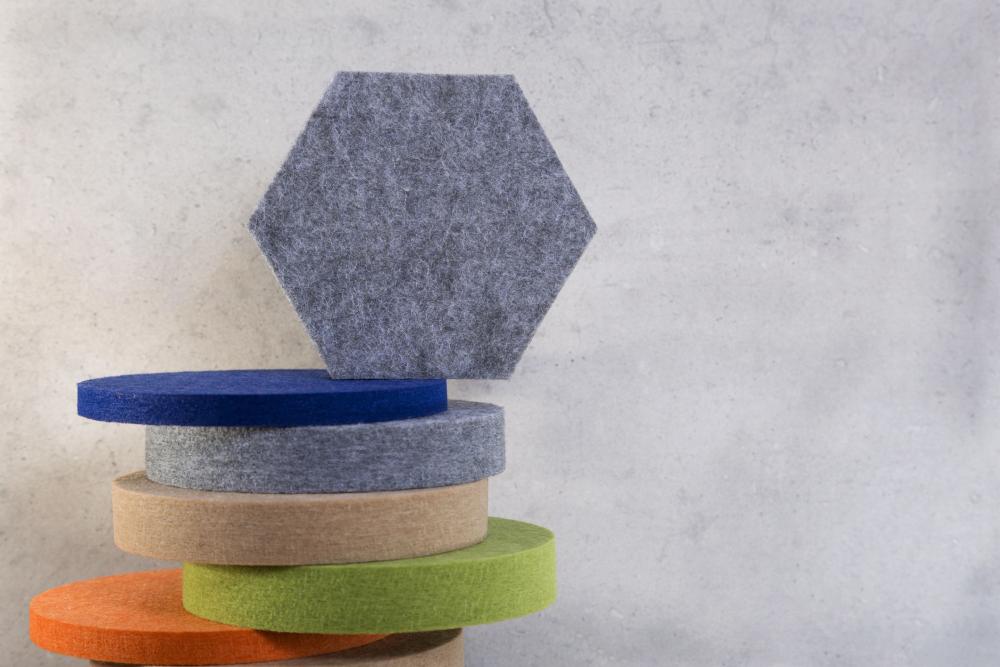
Acoustic panel texture plays a major role in how sound behaves inside your building. When addressing noise in a space, the surface pattern of each panel influences how sound waves move, spread, and fade.
Acoustic panel texture can soften harsh reflections, reduce echo, and make conversations clearer. Many commercial environments face noise from voices, equipment, and movement, which can disrupt focus and comfort.
Selecting textures that match your layout and daily activity helps shape the sound of your space in a more predictable way. With guidance from Sound Management Group, you can choose textures that match your goals and support a calmer and more functional environment.
Why Texture Matters In Sound Absorption
Texture plays a major part in how sound interacts with the surface of an acoustic panel. A smooth surface reflects sound in a firm and predictable direction, which allows noise to travel across the room with limited resistance.
When a panel contains texture, the raised or shaped surface disrupts the path of the wave and softens its impact. This reduces strong reflections and lowers the amount of lingering noise that might distract people in the room.
In large meeting spaces, texture helps limit echo, which makes speech difficult to follow and creates a sense of strain during group discussions. In smaller rooms, texture eases sharp reflections that can lead to discomfort and distraction. This helps the room feel calmer and more comfortable during daily use. When you learn how sound behaves in your space, you can choose textures that fit your needs and support the layout of the room.
How Different Textures Influence Sound Behavior
Different textures shape sound behavior in unique ways because each surface pattern affects how waves travel and fade. Some textures scatter sound in multiple directions, lower its strength, and reduce overall noise. Other textures feature small openings or fibers that capture portions of the wave and absorb energy.
Certain panels combine both approaches to suit spaces with diverse sound sources and activities. Rooms with many hard surfaces often produce strong reflections, so deeper textures help soften these effects and create a more pleasant environment. Areas with frequent conversations benefit from textures that limit voice transmission into nearby rooms or corridors.
The Role Of Material Density And Surface Finish
Texture works closely with the density of the panel and the finish that covers the surface. Each of these elements changes the way sound behaves once it reaches the panel.
A dense material absorbs sound differently from a lighter material, even if both panels have similar texture. A soft fabric finish may pull in sound in a smooth and steady way, while a firm finish may scatter it and reduce sharp reflections.
This mix of density, texture, and finish shapes the sound environment during conversations, presentations, or daily tasks. Some rooms benefit from strong absorption to keep the space calm. On the other hand, others need a balanced mix of scattering and absorption to support clear speech without creating a dull or flat sound.
Selecting Textures For Different Commercial Settings
Commercial environments vary widely in sound needs. Offices often deal with long conversations and open layouts that carry sound across the floor.
Healthcare settings need steady and private rooms where voices do not travel. Fitness spaces need surfaces that soften the echo from activity and music. Retail areas need gentle sound control to help customers hear staff without sharp reflections.
Texture plays an important part in shaping each of these settings. Deeper patterns work well in larger rooms with heavy echo. Softer textures suit smaller rooms where privacy matters. Matching acoustic panel texture to the purpose of a room creates consistent and predictable sound control. This enhances how people use and interact with the space every day.
How Proper Installation Supports Texture Performance
Texture shapes the behavior of sound, but the installation process plays a large role in how well the panels perform. When panels are placed evenly, with steady alignment and proper tension, the texture can function as intended. Gaps or loose areas weaken performance and allow sound to pass where it should not.
A careful installation process supports long-term performance and keeps the room consistent. Professional guidance helps you place panels in the correct locations so they match the sound patterns in the room. This leads to a more reliable acoustic system that supports communication, privacy, and comfort throughout the day.
At Sound Management Group, our team designs, manufactures, and installs acoustic solutions built for commercial use. We offer textured panels, sound masking products, and custom treatments that support your goals and help your space function with greater comfort and clarity.

