
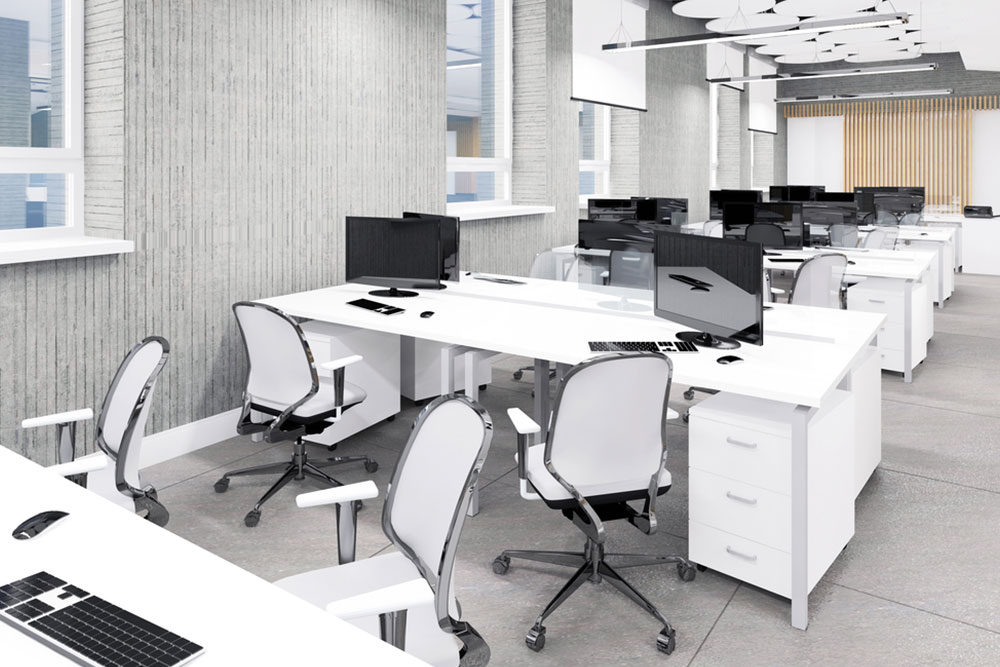
When setting up office spaces, proper acoustic treatment can transform the environment, making it more productive and comfortable. One of the most important factors in achieving effective sound management is the thickness of the acoustic panels used.
The question that often arises is, how thick should acoustic panels be for optimal performance? The answer depends on the room’s size, sound frequency, and the specific noise challenges.
Importance of Panel Thickness in Office Acoustics
The thickness of acoustic panels directly impacts their ability to absorb sound and control noise. Thicker panels are generally more effective at absorbing low-frequency sounds, which travel farther and are more difficult to manage. Offices often experience background noise and speech interference that reduces concentration.
Choosing the right panel thickness addresses these problems by improving noise absorption, enhancing speech clarity, and creating a comfortable work environment. Properly selected acoustic panels minimize distractions and produce a quieter atmosphere that supports focus and productivity.
How Thick Should Acoustic Panels Be for Optimal Performance?
The ideal thickness of acoustic panels for office spaces usually ranges from 2 to 4 inches. Thicker panels, such as those around 4 inches, work well in environments with high noise levels or those dealing with low-frequency sounds.
These types of sound frequencies are harder to manage and require denser material for proper absorption. Thinner panels suit environments with lower noise levels or where the primary concern is managing higher-frequency sound. Evaluating your office space's noise profile is important before determining the right thickness.
Factors That Determine the Required Panel Thickness
Room Size and Volume
Larger rooms tend to have higher ceiling heights and more open spaces that can carry sound further. This means sound absorption requires thicker acoustic panels. If the room is large or has a high ceiling, 4-inch panels may be the best choice to manage the extra volume and achieve optimal sound control.
Frequency of Sound
Different types of sound frequencies require different levels of panel thickness. Low-frequency sounds, such as the hum of HVAC systems or deep voices, pose a greater challenge to absorb and may require thicker panels. High-frequency sounds, like light chatter, are easier to manage with thinner panels, but a mixture of both might be required for a balanced result.
Desired Level of Sound Absorption
The level of noise reduction needed in a space decides the ideal panel thickness. If the goal is reducing general noise and improving speech intelligibility, a moderate thickness (around 2 to 3 inches) often works. However, chieving a soundproof environment with significant noise reduction makes thicker panels necessary to manage more intensive sound absorption needs.
Material of the Panel
Acoustic panels are made from various materials, such as foam, fiberglass, or mineral wool. Each material offers distinct sound-absorbing properties. Fiberglass panels, for instance, often absorb sound across a wider frequency range with higher efficiency. This makes them a top choice in commercial settings. The material's density and sound-absorbing capacity share equal importance with the panel’s thickness.
Benefits of Thicker Acoustic Panels for Office Spaces
Better Low-Frequency Sound Control
Thicker acoustic panels absorb low-frequency sounds with greater efficiency. This is especially important in offices where HVAC systems, machinery, or nearby construction create persistent bass noise. Thicker panels trap these low frequencies more effectively, producing a quieter and more comfortable work environment for employees.
Improved Speech Clarity
Thicker panels excel at controlling the reverberation of voices in open-plan offices. They help decrease the echo effect, which can make conversations difficult to hear. Absorbing sound more effectively creates a comfortable and productive workspace where employees hear each other clearly, which boosts communication and focus.
Enhanced Comfort and Privacy
Thicker acoustic panels also help improve speech privacy. In office settings, protecting sensitive conversations is a high priority. Absorbing noise at different frequencies means thicker panels keep sound from traveling between offices or meeting rooms, thereby helping maintain privacy and decreasing the chance of eavesdropping.
Aesthetic Appeal and Versatility
Thicker panels frequently have more attractive finishes and come in many styles. These panels improve acoustics while also upgrading the overall design of the office space. The option to incorporate functional acoustic panels into modern office aesthetics adds both value and style to the workspace.
How to Choose the Right Thickness for Rooms
Selecting the correct panel thickness depends on many factors specific to each office space. Smaller offices might not require very thick panels, as moderate absorption suffices.
However, larger offices with high ceilings or spaces with significant noise problems benefit from thicker panels. A solid first action involves assessing the room’s noise levels, purpose, and overall layout.
Common Mistakes When Choosing Acoustic Panel Thickness
Choosing the incorrect thickness leads to insufficient noise control or unnecessary expense. A common error is selecting panels that are too thin for high-noise areas or panels that are too thick for spaces with low noise levels. Ignoring the room’s acoustic properties, such as reverberation or the type of sound needing control, is another issue.
Consulting experts is key to avoiding these mistakes and securing the best acoustic solution for your needs.
Acoustic Panel Thickness vs. Soundproofing Performance
Acoustic panels and soundproofing materials are often confused. While both aim to reduce noise, they perform different roles. Acoustic panels focus mainly on improving sound quality within a space by absorbing sound and reducing reverberation.
Soundproofing, conversely, centers on preventing sound from entering or leaving a room. When considering panel thickness, recognizing that thicker panels do not entirely block sound but greatly enhance sound quality is important.
Contact Sound Management Group for Acoustic Solutions
Looking to improve your office acoustics? Sound Management Group offers tailored solutions to meet your needs. Our soundproofing wall panels for office spaces transform your workspace into a quiet, productive environment.
If you’re interested in HIPAA soundproofing or searching for custom acoustic treatments, we have you covered. At Sound Management Group, we deliver high-quality acoustic solutions that enhance privacy and comfort.
Let us help you design and install the perfect system to fit your office. Reach out today to discuss your project!

