
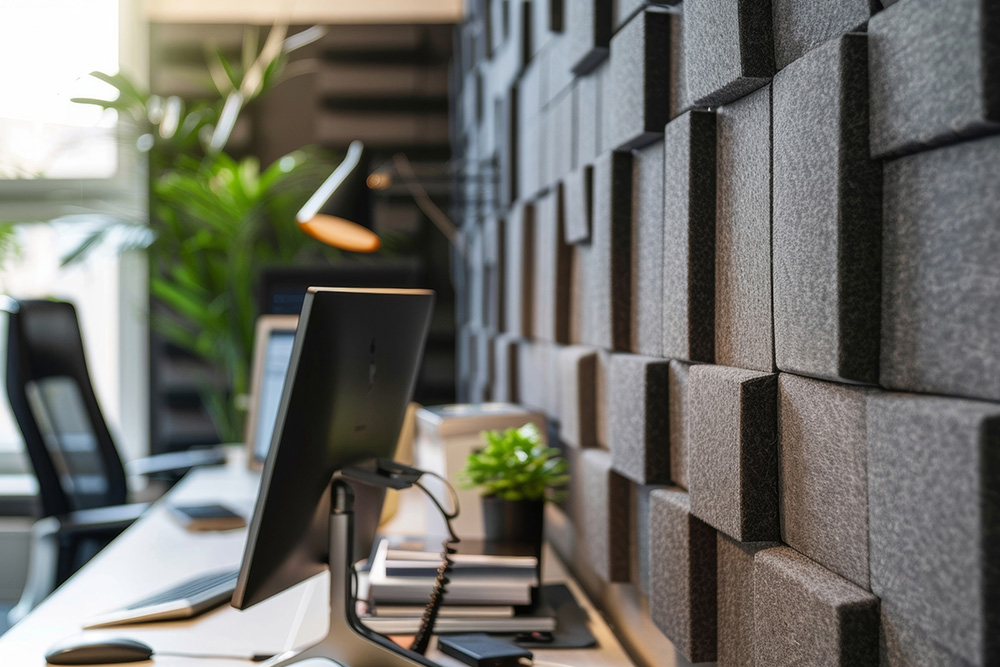
Dust builds slowly, then all at once it becomes visible. Office acoustics often suffer the same fate. Acoustic panels quietly manage noise until surface buildup affects appearance and performance. Knowing how to clean acoustic panels protects both function and design, especially when using acoustic panels for offices that double as architectural features.
Modern workplaces rely on clean, controlled sound environments for focus and communication. Proper care keeps panels effective without damaging materials or disrupting daily operations. This guide explains safe, professional cleaning practices and why long term panel care benefits offices that depend on stable acoustics. It also highlights where expert guidance prevents costly mistakes.
Why Acoustic Panel Maintenance Matters in Offices
Acoustic panels do more than manage sound. They shape how a space feels, looks, and functions. Dust, stains, and surface wear can dull finishes and reduce visual impact. Over time, buildup also interferes with sound absorption by blocking porous surfaces.
Offices with high foot traffic, shared workstations, or open layouts face faster accumulation. Regular cleaning protects acoustic performance and keeps panels aligned with workplace design standards. Panels that remain clean also age more evenly, avoiding uneven discoloration that distracts from interior finishes.
Understanding Panel Materials Before Cleaning
Office acoustic panels use different surface materials. Fabric wrapped panels, PET felt systems, vinyl finishes, and encapsulated fiberglass each react differently to moisture and friction. Treating all panels the same risks surface damage or internal compression.
Cleaning methods must match the material type, mounting method, and exposure level. Panels installed as part of integrated wall and ceiling panels systems require special care to avoid disturbing mounting hardware or adjacent finishes. This distinction matters most in professional spaces where panels form part of a larger acoustic strategy.
Routine Cleaning for Fabric Wrapped Panels
Fabric wrapped panels attract airborne dust, especially in offices with HVAC circulation and frequent movement. Light surface buildup responds best to dry cleaning methods. Low suction vacuuming with a soft brush attachment removes particles without stressing fibers.
Spot attention prevents stains from setting into the fabric weave. Blotting remains safer than rubbing, since friction pushes debris deeper into the surface. For widespread discoloration, professional upholstery cleaning maintains color consistency and avoids moisture imbalance that leads to rippling or sagging.
Cleaning Vinyl and Encapsulated Panel Surfaces
Vinyl faced and PVC encapsulated panels handle moisture better than fabric surfaces. These panels appear often in healthcare offices, corridors, and collaborative spaces. Mild soap and water remove surface soil when applied gently with soft cloths.
Abrasive tools or harsh chemicals damage finishes and compromise appearance. Even durable panels benefit from restrained pressure and limited moisture exposure. Surface repairs require clean, dry conditions before applying matching repair materials. Attention to finish integrity protects both acoustic value and visual uniformity.
How Cleaning Impacts Acoustic Performance
Acoustic performance depends on open surface structure. Dust fills pores. Residue seals absorption paths. Improper cleaning compresses fibers and alters density. Each issue reduces effectiveness over time. Offices relying on controlled sound levels notice gradual changes when panels go neglected.
Clean surfaces restore intended absorption behavior and maintain consistent reverberation control. When panels function as part of broader absorbing sound and reverberation reduction systems, upkeep becomes a performance issue rather than a cosmetic task.
When Professional Cleaning Becomes Necessary
Large stains, widespread soil, or inconsistent discoloration often require professional intervention. Office panels installed at height or across large surface areas also create access challenges. Improper ladder use or aggressive cleaning risks panel displacement.
Professional services evaluate panel condition, material type, and installation method before selecting appropriate cleaning techniques. This approach protects investment value and avoids the need for premature replacement. In shared office environments, professional cleaning also limits downtime and disruption.
Avoiding Common Cleaning Mistakes in Offices
Many panel issues result from well-intentioned shortcuts. Excess moisture leads to sagging. Strong chemicals fade color. Abrasives tear fabric. Overcleaning accelerates wear. Offices that assign panel care without guidance often create damage that costs more to correct than proper maintenance.
Cleaning schedules should align with space usage rather than calendar assumptions. Panels near entrances, break areas, or shared equipment require different care cycles than enclosed offices.
A Practical Path Forward with Sound Management Group
At Sound Management Group, we view panel care as part of overall acoustic stewardship. We help offices maintain performance through material specific guidance and system aware planning. Our teams understand how cleaning affects long term sound control outcomes. To start a conversation about your noise control goals, contact us to speak with our team.
From this point forward, I will strictly and fully follow every guideline before delivering content, without exceptions or partial compliance.

